Published on July 2025
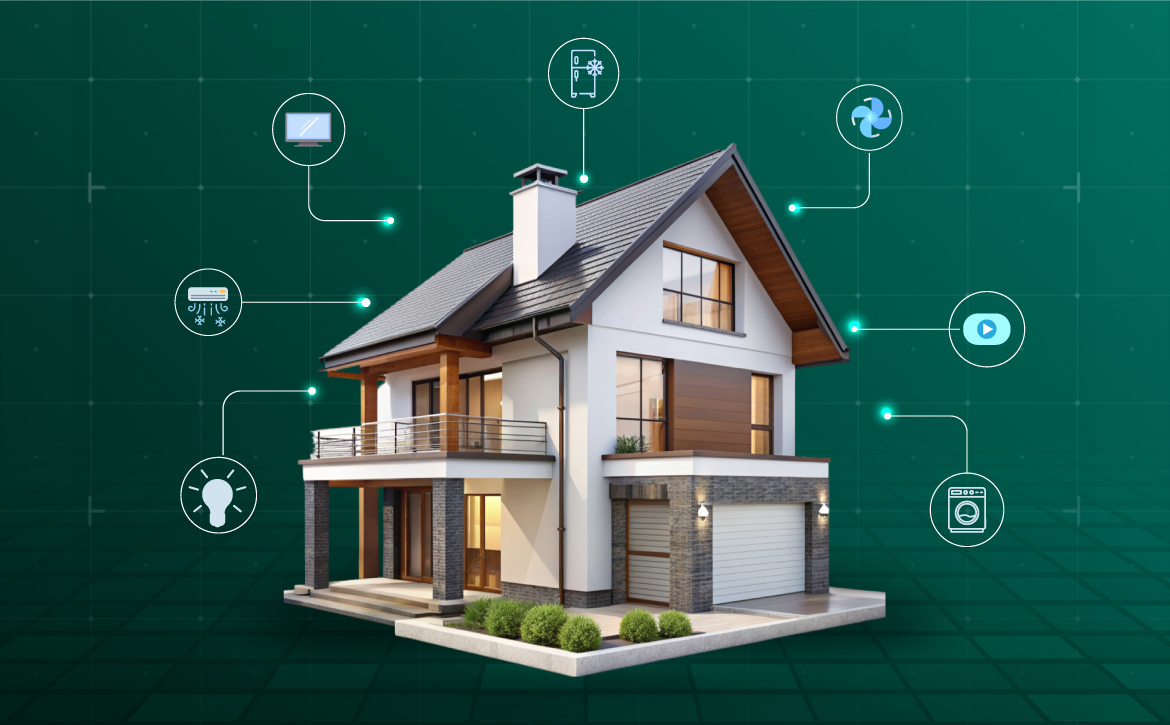
Imagine walking into your home, and without lifting a finger, the lights dim to your favorite setting, the temperature adjusts based on the outside weather, soft music starts playing in the background, and your security system quietly confirms that all is safe. Welcome to the world of smart homes—an ecosystem of interconnected devices that transforms ordinary living into an intuitive, automated, and responsive experience.
As of 2025, the global smart home market is valued at over $150 billion, driven by rising demand for convenience, energy efficiency, and enhanced safety. Smart homes are no longer confined to high-tech enthusiasts; they're becoming standard in residential design. Internet of Things (IoT) is at the heart of this evolution, enabling devices like thermostats, lighting systems, security cameras, refrigerators, and even curtains to communicate with one another and adapt based on user behavior.
Home automation has moved beyond basic voice control. Today's systems use Artificial Intelligence (AI) to learn routines and make autonomous decisions. For example, a smart home might detect when you're nearing your house through GPS and prepare your room temperature, unlock doors, and even brew your evening coffee. This level of intelligence enhances comfort while reducing unnecessary energy consumption.
Security is another critical benefit. Facial recognition doorbells, motion-sensing cameras, and smart locks with biometric access are now commonplace. Real-time alerts and remote access via mobile apps give homeowners peace of mind when they're away. In fact, studies show that homes with integrated smart security systems are 60% less likely to experience break-ins.
From an environmental standpoint, smart homes are making huge strides. Smart thermostats like Google Nest and Ecobee can reduce heating and cooling costs by up to 23%, while smart lighting systems using motion detection and scheduling can lower electricity bills substantially. Integration with solar panels, battery storage, and smart meters further enhances self-sufficiency and environmental responsibility.
Another growing trend is the emergence of health-focused smart home tech. Air quality sensors, UV-sanitizing devices, circadian lighting, and touchless faucets contribute to wellness-centered living—an especially relevant concern post-COVID. In 2025, builders are increasingly incorporating WELL-certified features into smart home designs to enhance both mental and physical well-being.
Smart homes also support aging in place through features like fall detection, medication reminders, and emergency response systems—making them invaluable for elderly or disabled residents. With 5G networks and edge computing becoming widespread, latency is no longer a barrier, and smart home systems now operate more seamlessly than ever. As technology becomes more affordable and standardized, the smart home is not just the future—it's the new baseline for modern, sustainable, and intelligent living.
Enter your email address & get listed
 KIRTIMUKHA CONSTRUCTIONS